This is where I write about technology after it’s survived contact with my reality.
If it’s here, it’s been run, broken, fixed, and when I trust it again. Then I write about it.


I was eager to explore OpenShift’s autoscalin...
Looking forward to my next post where I will be making some ingress changes to my cluster.
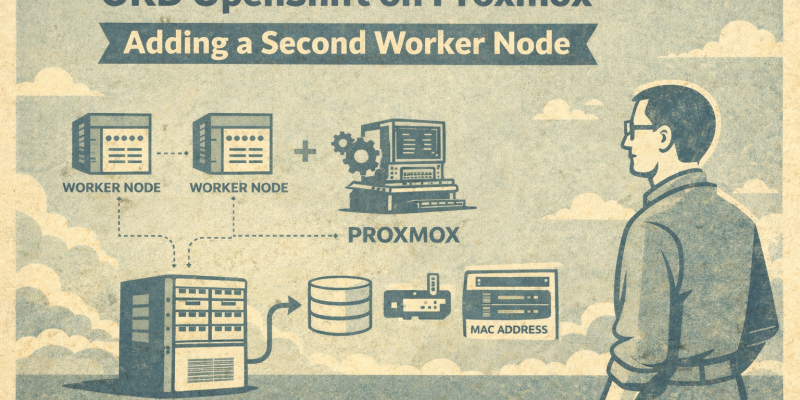
Before I do that, I want to walk through adding a second node to my OKD cluster.
Based on the decisions I documented during my original OKD install, I already have a good idea of how this should go...

This part is actually easy now. The work we did in the previous post smoothed out all the rough edges that initially tripped me up. We will use the Dynamic NFS Provisioner we created in part one to make this install smooth as it can be.
If you missed it, this picks up right where the storage work left off:
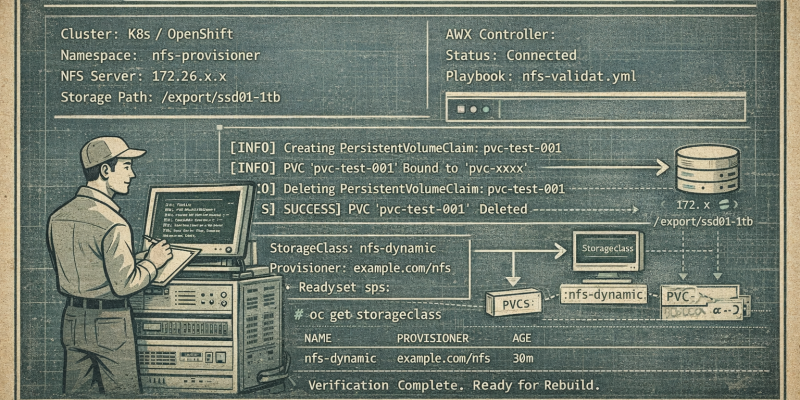
AWX and Dynamic NFS Provisioner Part 1
As a early Ansible user, I wanted to see what the modern, production-grade evolution of Ansible looks like today and begin using it in my envornment to enforce state and consistency.
As I work my way through the Kubernetes and OpenShift stack, with...

I was playing with my new OKD cluster and getting some workloads running. It was all simple enough, but I really don’t like spending time doing things that are not prod-like.
I know that most shops are probably not trusting upstream registries , additionally OpenShift does not allow contain...

Yeah, LDAP auth. I wanted to sit down and start doing some of the cool stuff with OKD. However, I could not stop myself. I needed to understand how to connect external authentication to OKD first.
It was tempting to just keep running with the admin account created during the initial deploy....

Well, I got it done...
I would say the image perfectly describes how I tend to dive into greenfield tasks. If I am asked to deploy something new (stuff I love doing), my first question is usually, where is the installer? Yes, I will glean the documentation, of course, but I need real cont...

Having Splunk experience, centralized logging is a must. As my lab grows, I wan't better visibility into the services I’m running, and I was itching to bring a centralized logging solution into the mix. You can lay the person off from the enterprise, but you can't take the enterprise out of...
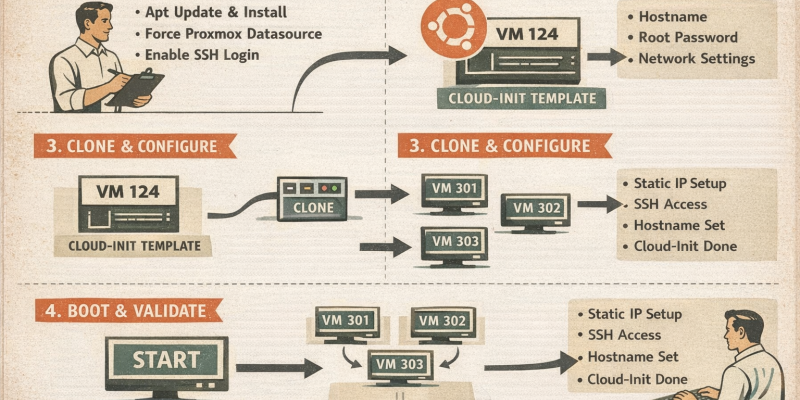
So yeah, templates are probably the least exciting thing to talk about, but I consider them foundational. Properly prepared templates mean less pain and simpler, more predictable deployments.
I keep cloud-init templates for just about every Linux distro an enterprise would care about. It gives me total freedom in how I deploy and makes it easy to compare behaviors across platforms.
This document provides a clean, repeatable, production grade procedure for building an Ubuntu 24.04 (Noble) template that works reliably with Proxmox cloud init.

Installing Grav CMS on Ubuntu Server 24.04 (Apache). Grav is by far my favorite CMS I have ever used! Installing Grav CMS on Ubuntu Server 24.04 (Apache) is refreshingly straightforward. Grav is hands-down my favorite CMS, mostly because it skips the usual baggage no database, no heavy backen...
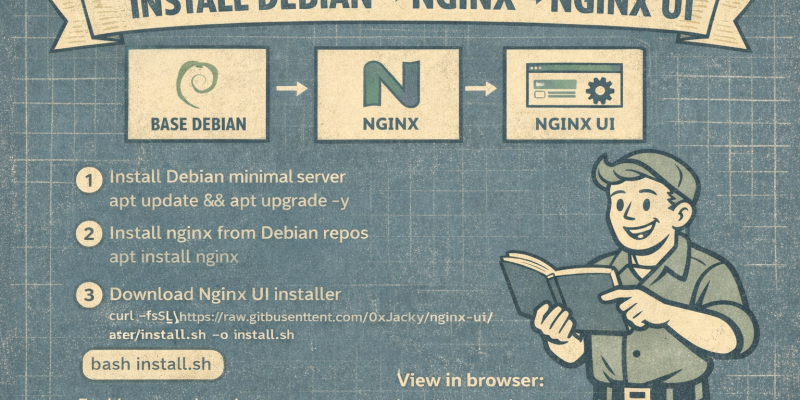
I recently needed a simple load balancer for a couple of projects. I already run HAProxy, but I’m always happy to kick the tires on other tools.
This guide is a verified install doc that walks through setting up Nginx and its UI on Debian 12 (Bookworm). It may also work on Debian 11, b...